
Music: Some nice Post-Rock.
English version down under
Bevor ich hierher kam, wusste ich nichts über Georgien. Wobei, Moment – das stimmt nicht ganz. Eine Sache hatte ich vorher gehört: dass man in Georgien sehr gut fett werden könne. In den letzten drei Monaten habe ich so ziemlich alles gegessen, was einen zu so einer Befürchtung kommen lässt.
Batumi und eigentlich ganz Georgien ist besprenkelt mit Myriaden von Kiosken. In nahezu jeder Straße kann man mehrere dieser kleinen, von müden und desinteressiert fernsehguckenden Frauen unterhaltenden Verkaufsstände mit immer ähnlichem Sortiment finden. Gemüse ist in Georgien abartig und angenehm billig und kommt meistens aus ländlichen Privatgärten. Bei meinen Fahrten durch Georgien habe ich perplexenderweise kein einziges bestelltes Feld, keinen einzigen Mähdrescher und keine einzige größere Viehweide gesehen. Ähnlich günstig sind Restaurantbesuche, deren Küchen meistens sehr schöne Sachen auf die Tische zu zaubern wissen.
Im Folgenden möchte ich eine Liste bieten, der Sachen die man hier isst.
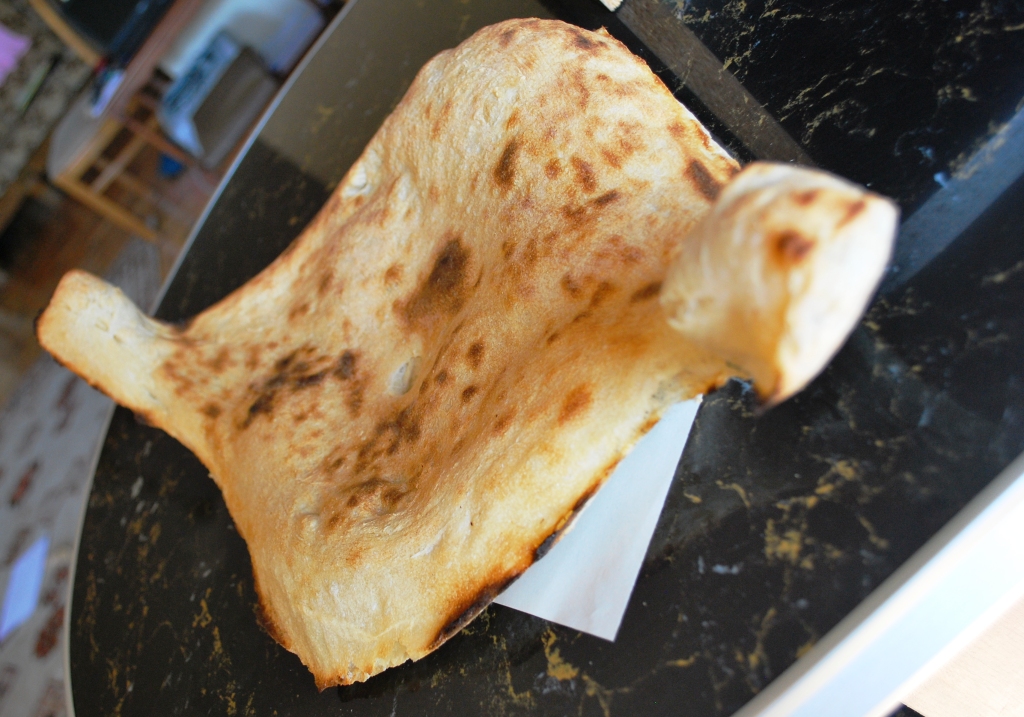
Ein noch unmassakriertes, aber außerhalb seines natürlichen Lebensraums sichtlich unwohles Shoti.
Shoti: Ich muss gestehen: am meisten vermisse ich hier in Georgien – neben Familie und Freunden und schnellem Internet natürlich – anständiges deutsches Vollkornbrot. Eine Abhilfe schafft jedoch der georgische Nationalfladen: Shoti. Shoti erinnert am ehesten an französisches Baguette, im Geschmack und in der Art, wie man es zu sich nimmt. Es wird gebacken in hüfthohen brunnenweiten und sich nach oben verjüngenden Öfen und ist schiffförmig. Man holt das noch ofenwarme Brot ab und noch bevor man die 36 nötigen Cent bezahlt hat, beginnt man bereits die knusprigen Enden abzuknabbern. Zuhause zerrupft man den Leib und bestreicht ihn mit allem Streichfähigen und verwendet die Reste am Folgetag für arme Ritter.
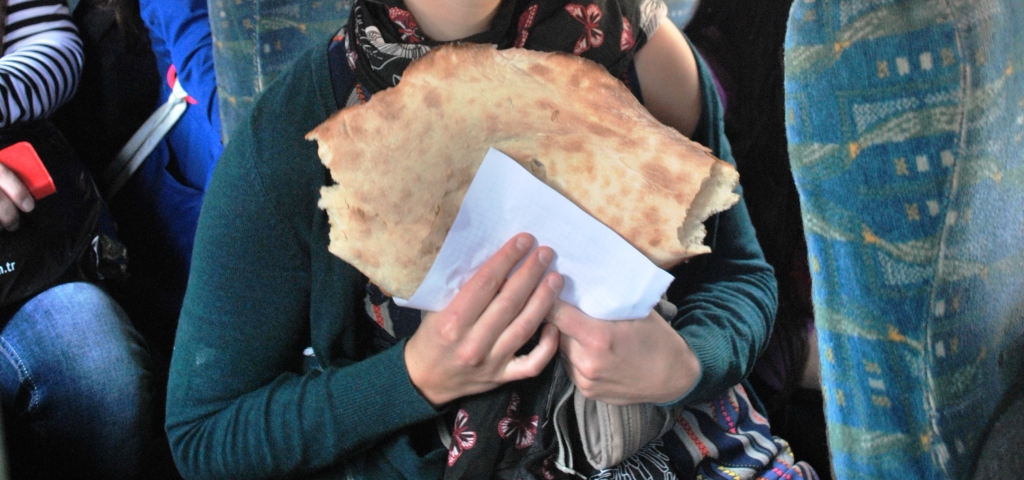
Ein bereits übel zugerichtet Shoti in den erbarmungslosen Klauen seines natürlichen Feindes.
Khinkali: Wahrscheinlich DAS georgische Nationalgericht. Kleine Teigtaschen mit Fleisch und Brühe gefüllt. Für eingefleischte Vegetarier gibt es auch Versionen mit Gemüse, Pilzen oder Kartoffeln. Als Teil des georgischen Einbürgerungstest muss man beweisen, dass man die hohe Kunst des Khinkaliessens beherrscht. Hierbei gilt es einen Fleischkhinkali zu verinnerlichen ohne auch nur einen Tropfen der enthaltenen Brühe zu verschütten. Dafür fasst man den Schlawiner am Zipfel, welchen man übrigens letztlich nicht mitisst, beißt ein Loch in die Teigwand und entnimmt die Flüssigkeit mit einem obszönen aber gesellschaftlich akzeptierten Schlürfen. Für jeden verschütteten Milliliter erhöhen sich die behördlichen Bearbeitungsgebühren für die Aufenthaltsgenehmigung entsprechend. Das ganze Verfahren nennt sich „Schlürf oder Surf“, da man bei Versagen direkt übers Schwarze Meer nach Hause geschifft wird.
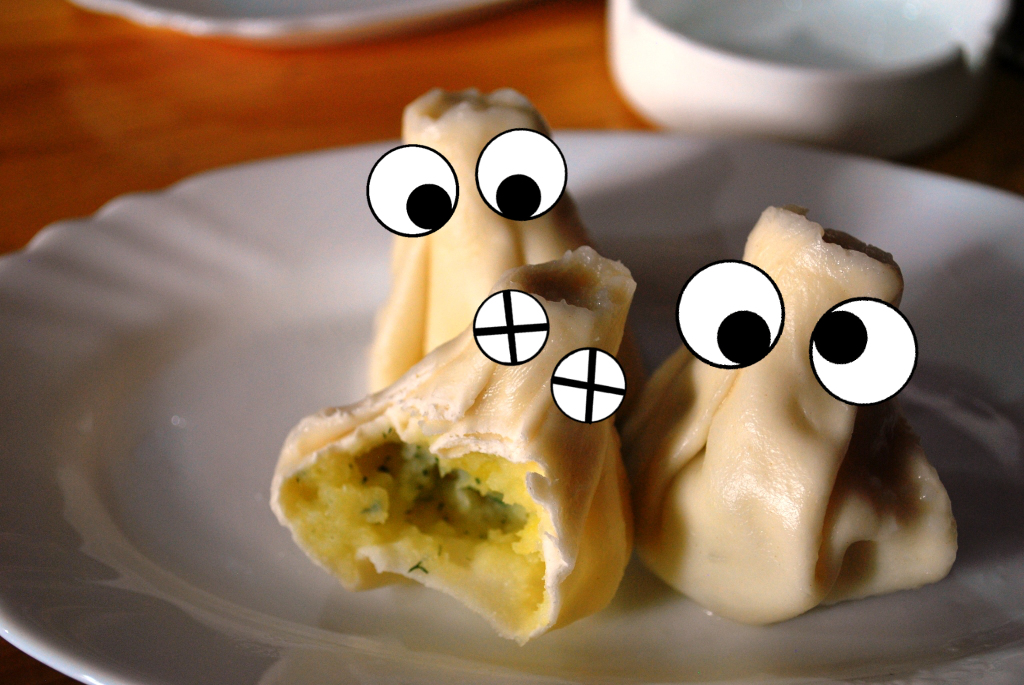
Eine tragische Familienszene, bei der die Khinkalieltern die brutale Verspeisung ihres Kleinen miterleben müssen.
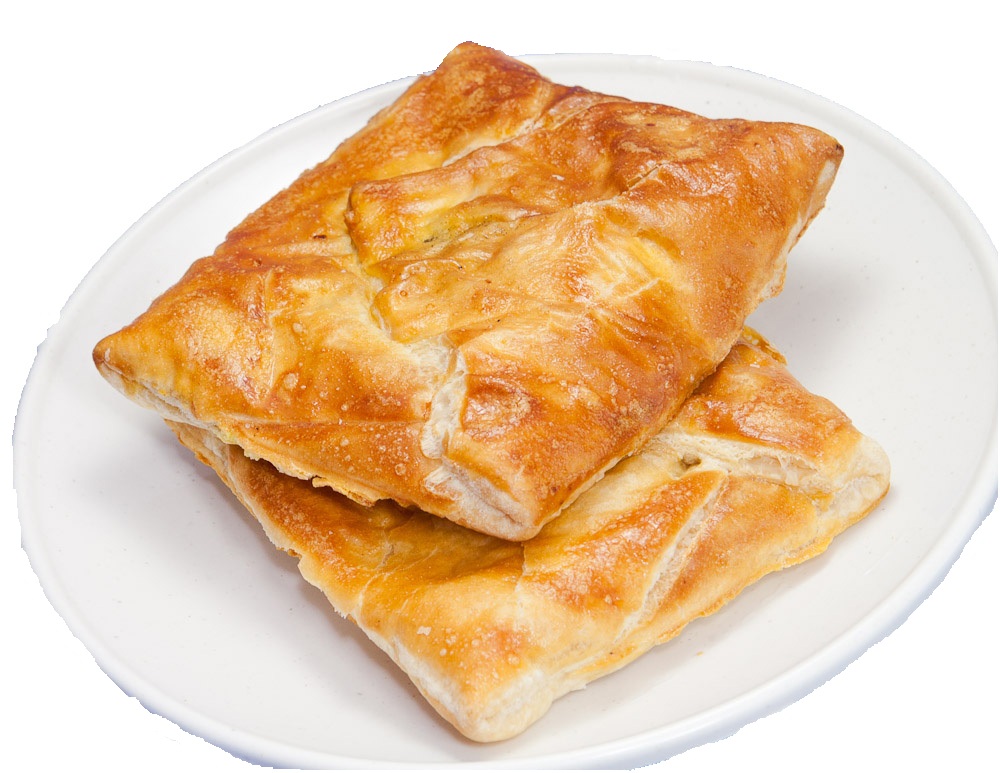
Ein Bild, das täuscht: völlig unschuldig liegen die beiden hinterhältigen Chatschapuri auf dem Teller rum, als würden sie nach der Einverleibung nicht zu Übelkeit und Fettleibigkeit führen.
Chatschapuri: Die Georgier können viel, aber keinen Käse herstellen. Georgischer Käse sieht aus wie Schafskäse, schmeckt aber wie in Zitronensäure ertränktes Tofu. Dieser „Käse“ wird dann in Blätterteig gestopft und taschig zusammengefaltet. Ich habe das resultierende Produkt mehrere Male gegessen und jedes Mal aufs neue entschlossen es zum letzten Mal gemacht zu haben: Die Dinger haben mehr fett als Pottwale und hinterher fühlt man sich wie einer. Hier in der Region Abscharien hat man sich entschieden dieses Gericht noch ein bisschen unattraktiv zu machen, indem man nach dem Backprozess noch ein rohes Ei draufhaut.
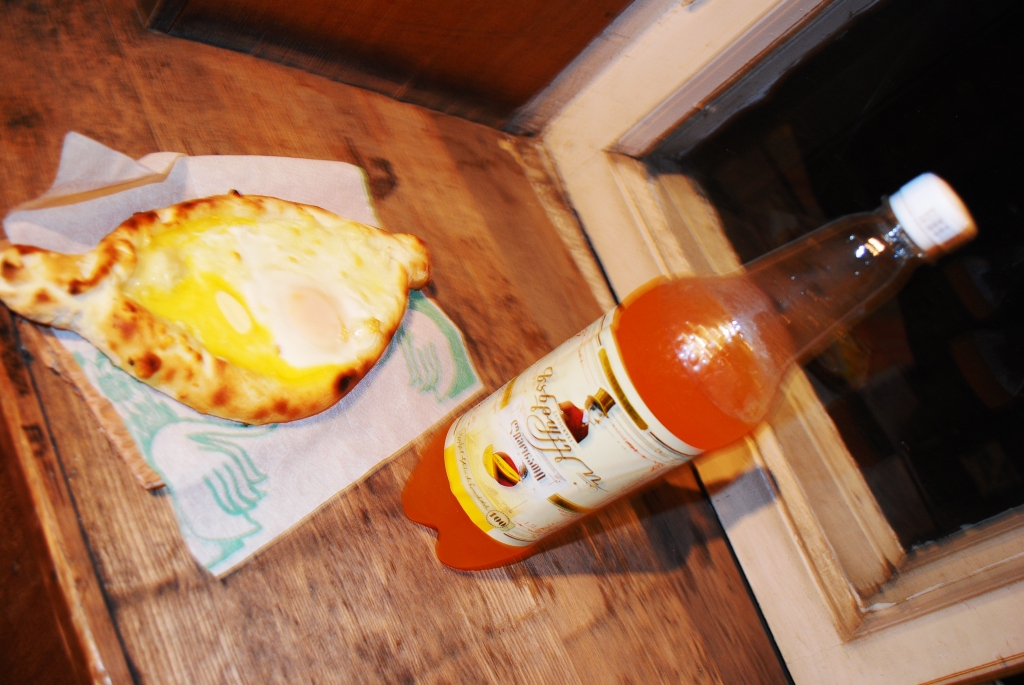
Die noch hinterhältigere abcharische Version des Chatschapuri und sein Komplize die zahnfeindliche Zuckerbrause.
Limonade: Georgier haben anormal viele unterschiedliche Limonadensorten, die alle so knallbunt wie ungesund sind. Die Spitzensorte „Cream“ – welche so schmeckt wie das weiße Innere von Solero-Eis – habe ich zeitweise zu einem Maße konsumiert, der mich zu der Überlegung brachte, mir das Zeug per Tropf intravenös einzuführen. Ich spiele mit dem Gedanken einigen Sorten den Importweg nach Deutschland zu ebnen und die Deutschen so dick zu machen wie die Amerikaner gemäß unserer europäischen Vorstellungen.
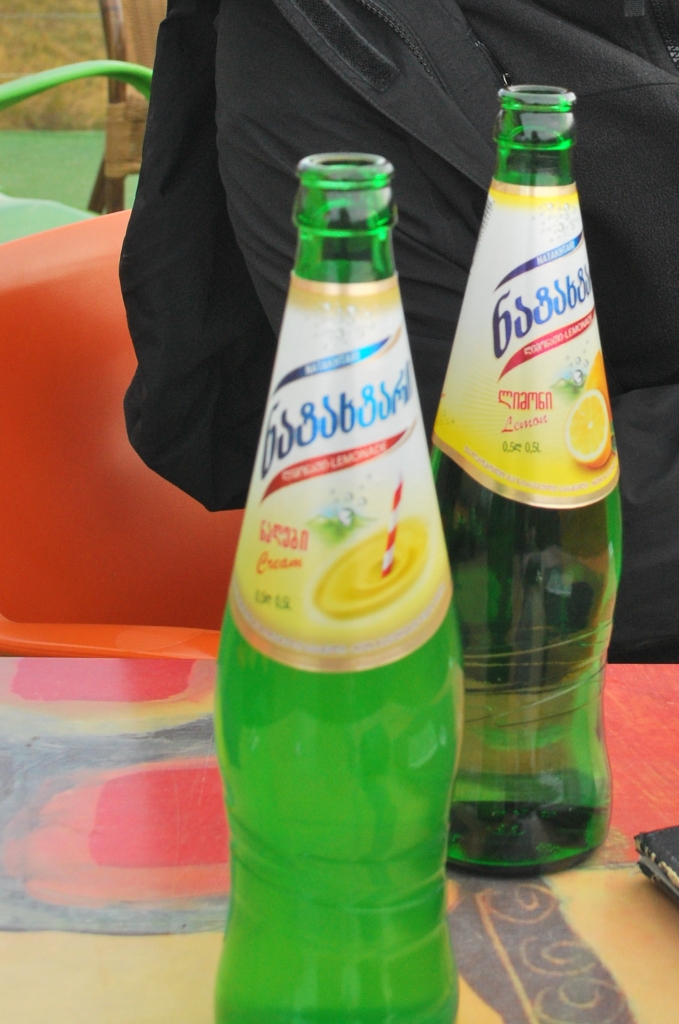
Zwei Limonaden, die ängstlich zueinander rücken. Die bessere und beliebtere „Cream“ Limonade stellt sich hierbei mutig schützend vor den kleinen Orangenbruder.
Badrijani: Auberginen habe ich eigentlich immer meiner subjektive Liste der bedrohten Gemüse hinzugefügt, um zu rechtfertigen sie nicht essen zu wollen. Doch meine Zeit in Georgien hat dieser Auberginen-Schonzeit ein Ende gesetzt und Badrijani ist mitschuldig. Badrijani sind gebratene Auberginen mit Wallnusssoße und einzelnen Granatapfelkernen bespickt und schmecken zum Kotzen, also so gut, dass man kotzt um noch mehr essen zu können.

Eine vielköpfige Badrijanifamilie chillt in einem Jacuzzi aus Salat. Man bemerke wie sie ihre roten Gliedmaßen in völliger Entspannung von sich strecken.
Namenslose Croissants: Ich kenne den Namen dieser kleinen rosinenbespickter Biester nicht, aber sie sind konditorische Meisterleistung, die einen jeder Diät abschwören lassen.
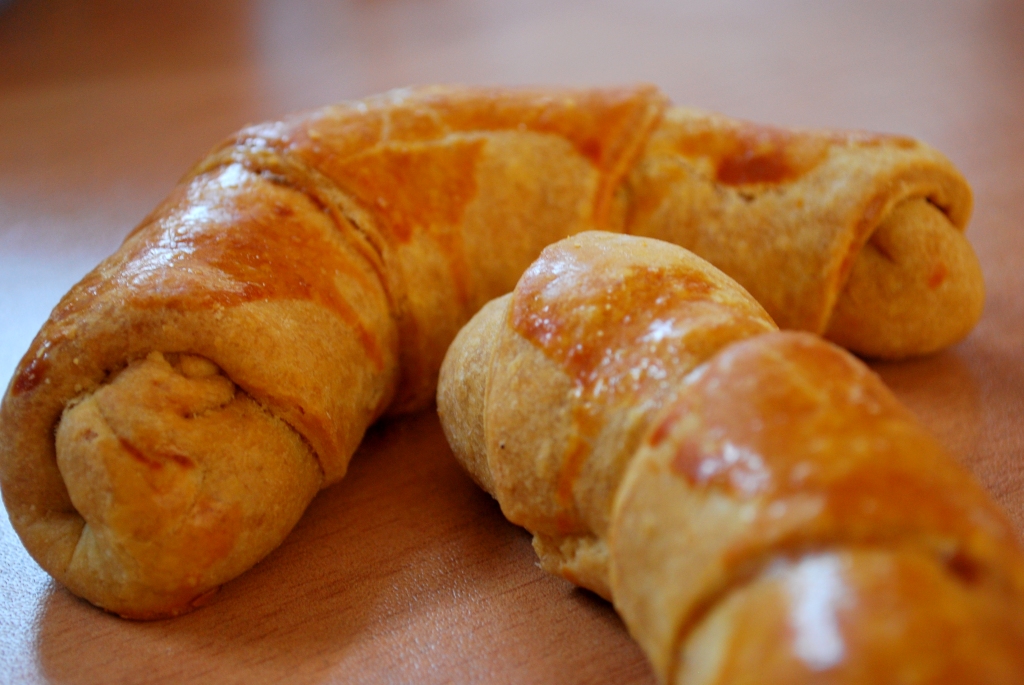
Ein stattliches Croissantmutterwürmchen säugt ihr Junges.
Feijoa: In Deutschland unter dem Namen „Brasilianische Guave“ bekannt, aber in Deutschland völlig unbekannt. Man sagt hier in Georgien, dass sie so gesund seien wie sieben andere Früchte zusammen. Sie erinnert an Kiwi, da man sie isst, wenn sie weich sind und durchgeschnitten auslöffelt, sollte man die saure Schale schmähen. Die Innereien der Frucht schmecken dann wie eine Melange aus Kiwi, Banane und Zitrone.
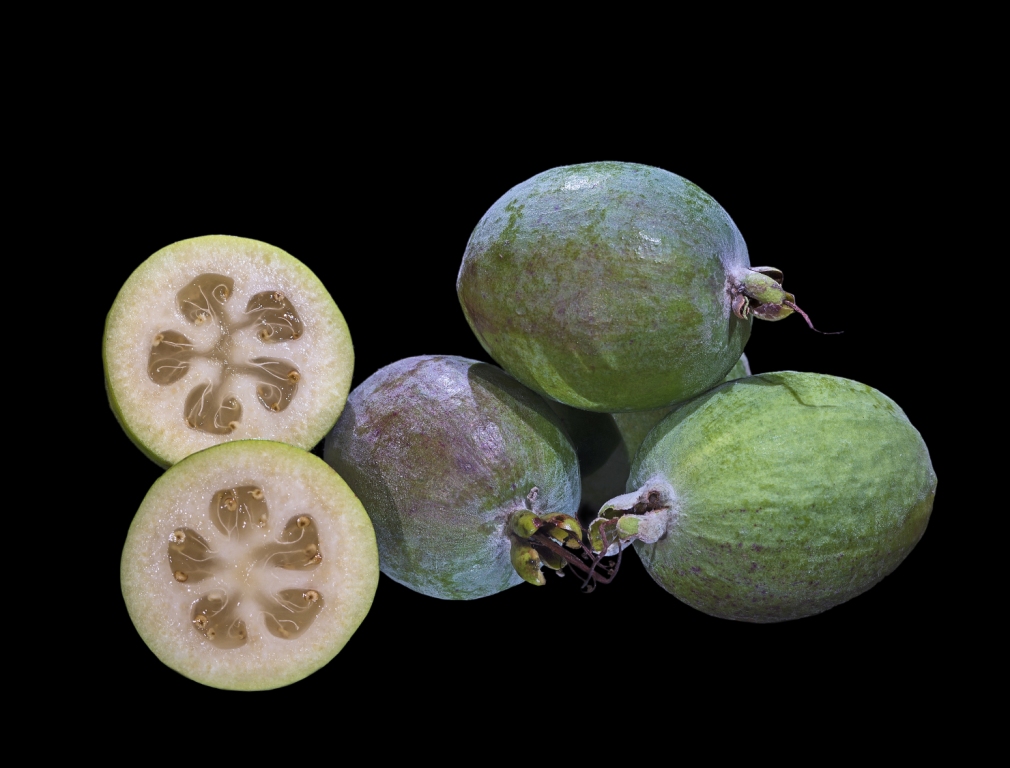
Eine Rotte Feijoa scharrt sich voller Häme um einen zerteilten Kameraden. Schämt euch, Feijoa!
Dies ist natürlich nur eine kleine, allzu begrenzte Auswahl des kulinarischen Angebots Georgiens. Es tut mir leid, dass ich im Moment die Liste nicht erweitern kann, aber durch das Schreiben bin ich zu hungrig um weiterzumachen.
Exactly the same in English:
Before I came here, I knew nothing about Georgia. Well, that’s not exactly true. I had heard one thing: that it is really easy to become fat in Georgia. In the past three months, I ate pretty much everything that supports such fearful myths.
Batumi and the entirety of Georgia are covered by a myriads of small kiosks. In nearly every street you can find a few of these small shops run by bored and disinterested women watching television and every single one has exactly the same assortment. Vegetables are incredibly and pleasantly cheap and usually delivered straight out of the earth of private backyards. During my travels through the Georgia, I can’t remember having seen a single tilled field, combine harvester or animal covered meadow. Similar to vegetables, restaurants are rather cheap and in most of them they know how to deliver something as strange as delicate.
To give you an idea, what these weird delicacies are, I assembled the following list of edible stuff this country has to offer.
A yet unmolested Shoti, that is apparently quite uncomfortable so far from home in an alien environment.
Shoti: I have to admit: what I miss most here in Georgia – besides family, friends and fast internet of course – is proper German whole-wheat bread; exactly the kind of stuff that the entire planet despises but that we learned to like through life long indoctrination. However, in Georgia there is an almost acceptable substitute: Shoti bread, which resembles French Baguette in terms of what it tastes like and how it’s eaten. It is baked in hip-high ovens and has an exaggerated form of ships. Before you even hand over the 45 cents it costs, you will most likely already have chewed off the crispy ends. At home you can eat it with pretty much anything, though it only really tastes good the day it’s bought.
An already mangled Shoti in the merciless claws of its natural nemesis.
Khinkali: Probably THE Georgian national dish. Small dough pockets filled with meat and the fluid it was cooked in. For die-hard vegetarians there are options with vegetables, mushrooms or potatoes. As part of the procedure of obtaining a Georgian residence permit, you have to prove that you are master of the art of eating a Khinkali: This means not to spill a single drop in the process of consuming it. In order to accomplish this, you grab the fiddly little pouch by the folded tip (which is the only thing that remains in the end), bite a small hole in its side and suck out the fluid with an obscenely loud but socially accepted slurping. For each milliliter that you spill, the costs of getting the residence permit increase accordingly. This whole procedure is called „Slurp or Surf“, as you will be shipped back home over the ocean in case of failing.
A tragic family scene, where the once proud Khinkaliparents have to witness the brutal end of their loved small one.
Khachapuri: The Georgia are capable of a lot, but they have never nailed making decent cheese. Georgian attempts at cheese look like feta cheese but taste like tofu drowned in citric acid. This „cheese“ is then stuffed in puff pastry and folded to a pouch. I have tried the resulting product on numerous occasions and each time swore myself to never touch one again: They have more fat than sperm whales and make you feel like one. In the Region Adjara they are made even less attractive by dumping a raw egg on top of the baked Khachapuri.
The even more malicious version from Adjara and his dubious buddy the colourful but teeth-killing Sugarwater.
Lemonade: Georgia offers an enormous selection of different types of lemonade, each more colourful and less healthy than the other. The best type is called „Cream“ – which tastes vanilla-ish – and I basically drip feed myself with the stuff. I consider importing it to Europe, in order to make its population as fat as Americans in our well-loved stereotypes.
Two lemonades, anxiously cuddling together. The superior and more popular „Cream“ lemonade protectively stands before his orange brother.
Badrijani:I have always put egg plants on my very own red list of dying out vegetables to justify not eating them. But my time in Georgia put an end to their closed season and Badrijani is probably the main reason for this. Badrijani are grilled egg-plants with walnut sauce and pomegranate pieces strewn on top and makes you want to throw up, so that you can eat some more.
An entire Badrijani family chilling in a jacuzzi made of salad. Notice the red extremities they outstretch in total relaxation.
Nameless Croissants: I don’t know their names, but these are the kind of baked perfection that makes you quit any diet.
A full-grown Crossaintmotherworm wet-nursing its young offspring.
Feijoa: Apparently called „Acca sellowiana“ or „pineapple guava“ in English, they are said to be as healthy as seven other fruits combined. They remind me of kiwis since they are eaten when soft and spooned out if one does not like the sour skin. The pulp tastes like a combination of kiwi, banana and lemon, in other words delicious in a strange way.
A mob of Feijoa gathered around in order to sardonically humiliate their already cut apart companion. Shame on you, Feijoa!
This, of course, is my personal list of Georgian culinary offerings, as small as it is incomplete. I’m sorry for not expanding it at this point, but all this writing made me too hungry to go on.
1 Kommentar